
If you’re searching for things to do in the Everglades, you’re probably trying to figure out what’s worth your time and where to start.
That confusion is understandable. The Florida Everglades isn’t one park with a single entrance or a neat list of highlights. It’s a vast landscape spread across South Florida, made up of several distinct areas that offer very different experiences. Not all of them deliver the same value for every traveler.
When people say they’ve been to the Everglades, they often mean they passed through on a major highway or made a brief stop at a boardwalk or roadside pull-off. Those moments offer a glimpse, but they don’t reflect how the Everglades actually works as a place to visit.
The most worthwhile things to do in the Everglades depend entirely on where you go, and choosing the wrong area can shape your entire experience.
This guide helps clear that up. Instead of trying to cover everything, it explains where different Everglades experiences actually happen and how to choose the approach that fits your trip. Whether you want a scenic drive, wildlife viewing, or time inside a national park, the goal is simple: help you plan a visit that feels manageable and worth the effort.
With the right expectations and enough time, the Everglades becomes one of the most rewarding places to explore in Florida
Why You Can Trust This Guide
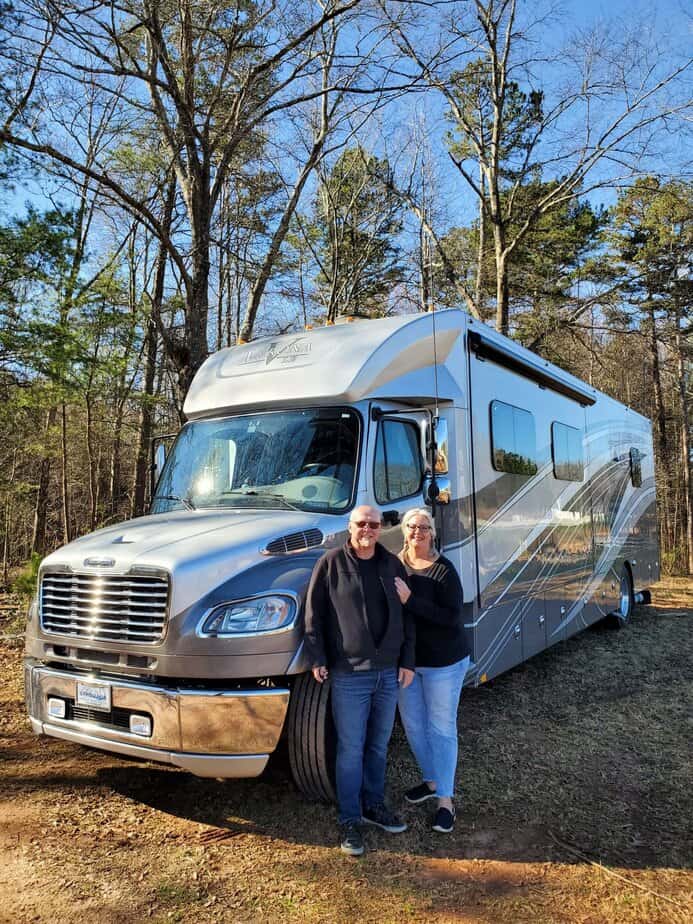
Robb and I travel full-time and plan our trips carefully, especially in places like the Everglades, where distance, weather, and timing matter. We don’t rush through destinations or try to see everything in one visit. We focus on choosing the right area and giving it enough time.
We’ve been visiting the Everglades for years, and it remains one of the most fascinating and unpredictable places we travel. You never know what’s moving through the sawgrass or mangroves, and that sense of discovery is exactly why the Florida Everglades continues to rank among our favorite national park experiences.
This guide is based on firsthand experience and practical planning, shaped by the questions travelers ask when deciding where to go, how much time to allow, and what’s realistic to see.
What People Mean When They Say “The Everglades”
When people say they’ve been to the Everglades, they often mean they drove across Alligator Alley on I-75 or stopped briefly at a boardwalk or roadside pull-off. Those experiences offer a glimpse, but they don’t reflect how the Everglades actually works as a place to visit.
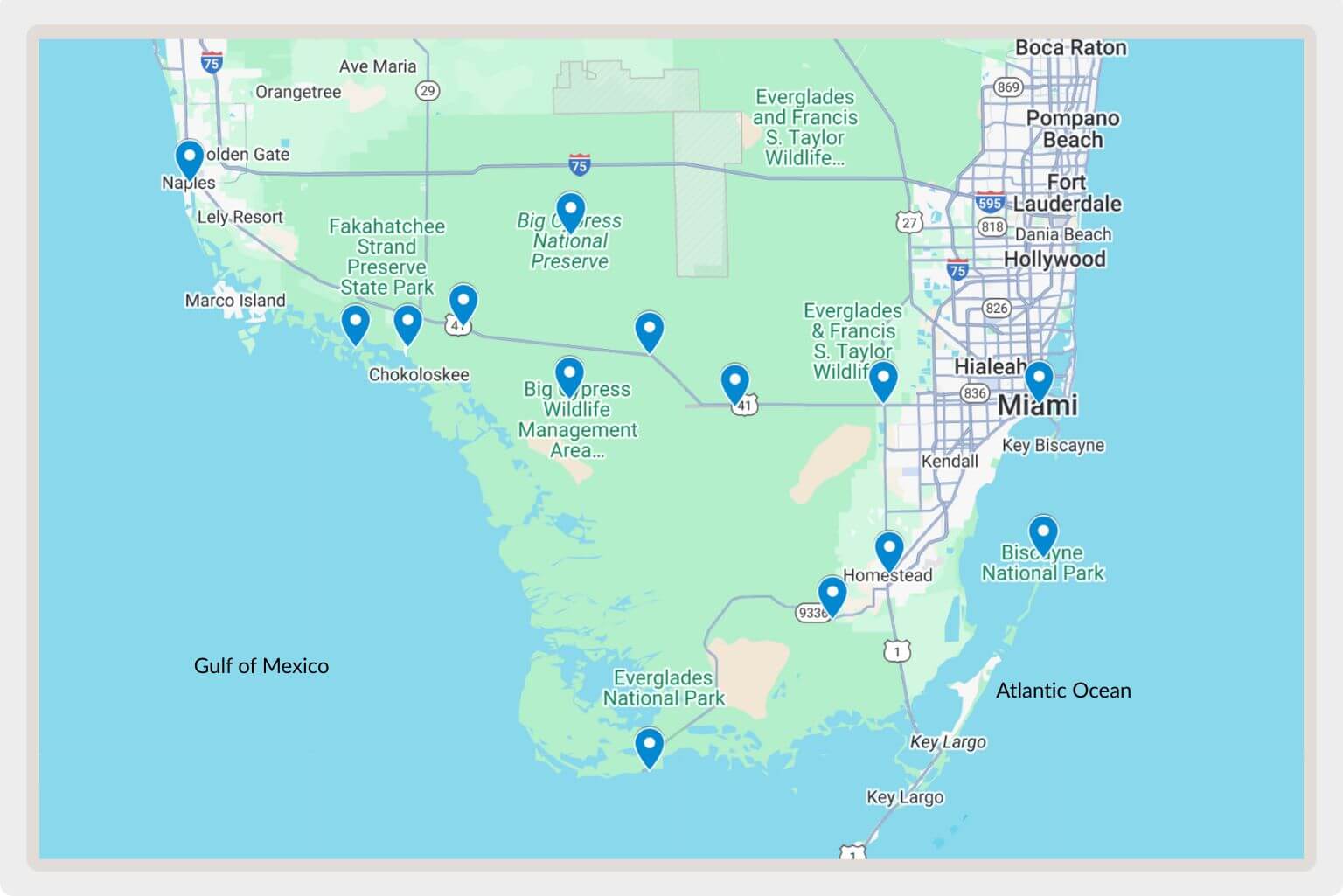
The name itself creates some of the confusion. “The Everglades” sounds like a single destination, but it’s made up of several separate protected areas, each with its own access points and character. Everglades National Park and Big Cypress National Preserve are the most well-known, but they offer very different kinds of visits.
This is where expectations can fall apart. Someone may leave feeling underwhelmed, not because the Everglades lacks interest, but because they only experienced one small piece of it.
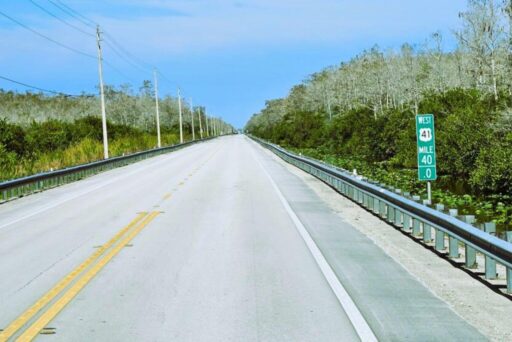
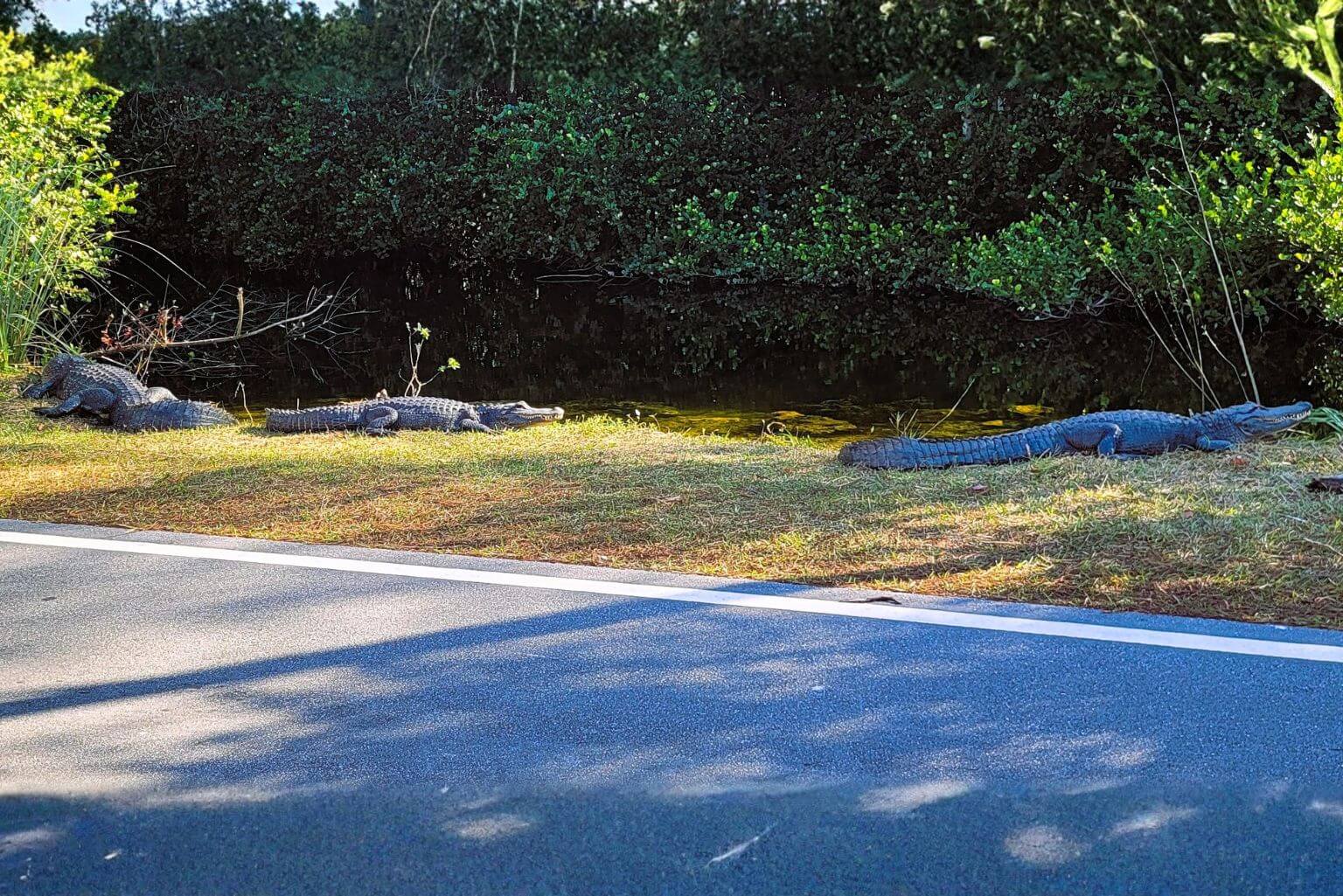
For us, driving the Tamiami Trail (US-41) helped put that into perspective. If you slow down and pay attention, the landscape starts to make more sense — birds gathered along the water, alligators resting just off the roadside, and long stretches where movement is subtle rather than obvious. Experiences like this helped us understand why some people feel they’ve “seen” the Everglades, while missing how much more there is beyond a single drive or stop.
Once you understand that different areas offer different experiences, planning becomes far more straightforward. The focus shifts from trying to see everything to choosing the area that fits the kind of visit you want.
Best Things to Do in the Everglades (By Area)
Once you stop thinking of the Everglades as one destination, the question becomes less about what to do and more about where you are. Some activities are available in many areas, while others are specific to certain parts of South Florida.
You don’t need to do all of these to have a good visit. Most people enjoy the Everglades more when they slow down and focus on just a few things.
From our first visit, we realized the Florida Everglades is too large to approach all at once. Over time, we’ve learned to explore a different section on each visit, which makes it easier to move at a slower pace and appreciate the natural beauty of each area.
Airboat and Swamp Buggy Tours (Common Along the Tamiami Trail)
Airboat rides are among the most recognizable Everglades experiences and are most commonly found along the Tamiami Trail, outside Everglades National Park. They offer a fast, open-air way to see wide stretches of wet prairie that aren’t accessible on foot.
In the same areas, you’ll also see swamp buggy tours offered. These large, open vehicles travel through wet prairie and cypress terrain on land rather than water, providing a slower-paced alternative for visitors who want a guided experience without being on a boat.
We’ve done airboat tours in the past, but we haven’t had a chance to try a swamp buggy tour yet. From what we’ve seen, both experiences vary by operator and operate on private or permitted land rather than inside the national park.
Neither is required for a rewarding visit, but they’re options many travelers encounter when exploring this part of the Everglades.

Wildlife Viewing Throughout the Everglades
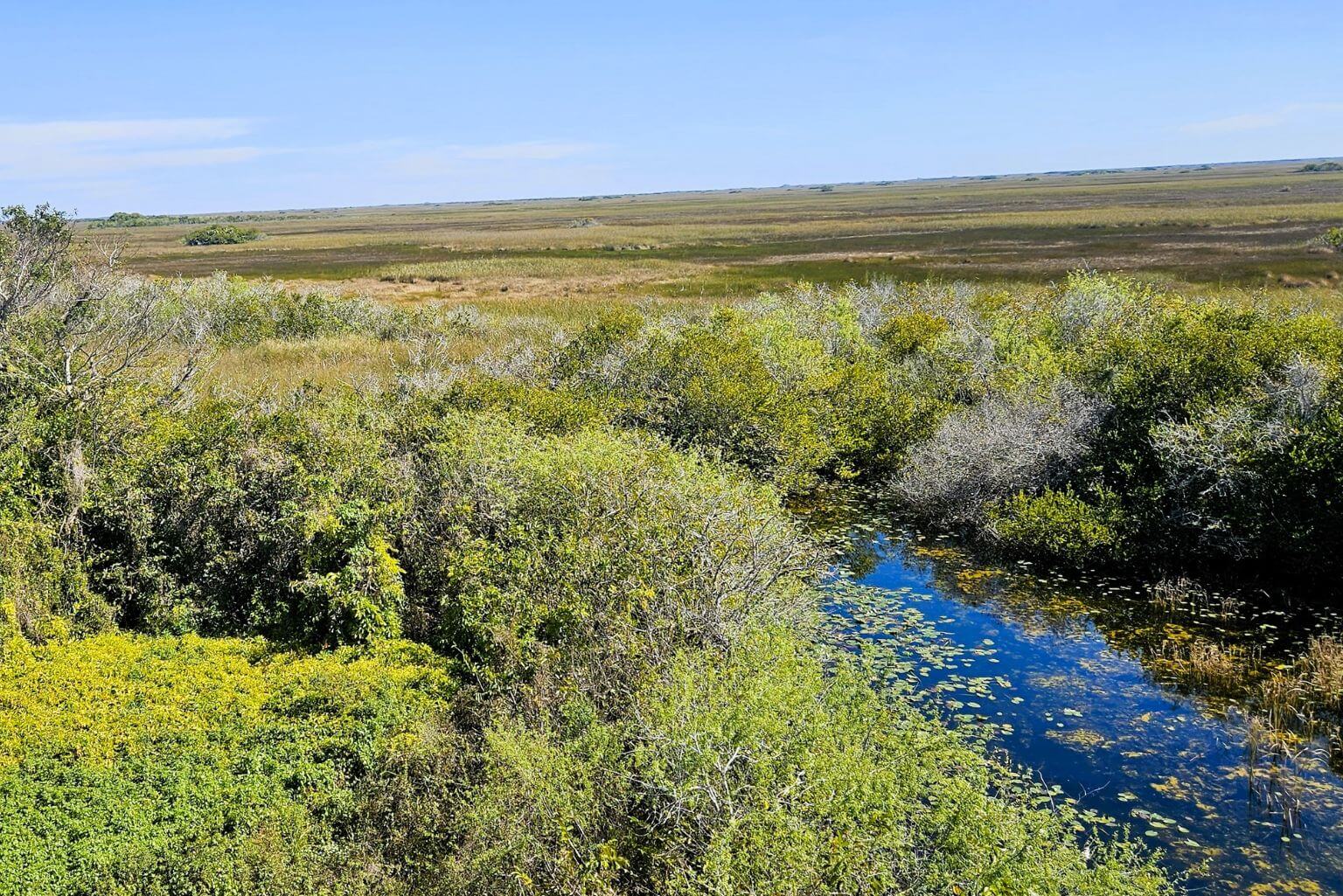
Wildlife viewing is one of the most consistent and rewarding things to do in the Everglades, and it isn’t limited to a single park or entrance. Alligators, wading birds, turtles, and other wildlife are often visible from boardwalks, trails, canals, and even roadside pull-offs across South Florida.
What surprises many visitors is how much wildlife activity happens when you slow down rather than move on. Early mornings and cooler months tend to be best, but patience matters more than timing. Some of the most memorable sightings come from standing still and watching the water or sawgrass for subtle movement rather than rushing between stops.
In more remote areas, the Everglades is also home to Florida black bears and Florida panthers. During one stay at a campground, I caught a brief glimpse of a large cat moving through the darkness. It was far bigger than a house cat, and a reminder that much of what lives here isn’t always easy to spot.
Boardwalks and Short Trails for Easy Access
Boardwalks and short trails offer some of the most accessible ways to experience the Everglades without committing to long hikes or difficult terrain. These brief walks place you directly into the landscape, allowing you to hear birds, watch the water, and notice details that are easy to miss from the car.
They’re especially helpful in hot weather or when time is limited. Many of the most reliable wildlife sightings happen near boardwalks, where animals are accustomed to quiet foot traffic, and water remains visible year-round. Visitor centers in both Big Cypress and Everglades National Park often have boardwalks nearby, making them natural starting points.
A few well-chosen stops like these can provide a surprisingly complete experience, especially when paired with a scenic drive or time spent observing quietly.

Scenic Drives Through
Big Cypress and Nearby Areas
Scenic drives are one of the easiest ways to experience the Everglades, especially in Big Cypress National Preserve and along the Tamiami Trail. This isn’t a place to cover distance quickly. Driving here works best when you slow down, use pull-offs often, and treat the road as part of the experience rather than just a way to get somewhere.
Many wildlife sightings happen directly from the road, particularly along quieter stretches where stopping is expected. Cypress trees, open wet prairie, and long sightlines make it easier to spot movement in the water or birds gathering near canals. Loop Road, in particular, offers a slower, more immersive drive for visitors seeking a quieter alternative to the main highway.
Approached with the right pace, a scenic drive can easily fill several hours without ever feeling rushed — and it often reveals far more than a quick pass through the area.
Kayaking and Canoeing in Select Areas
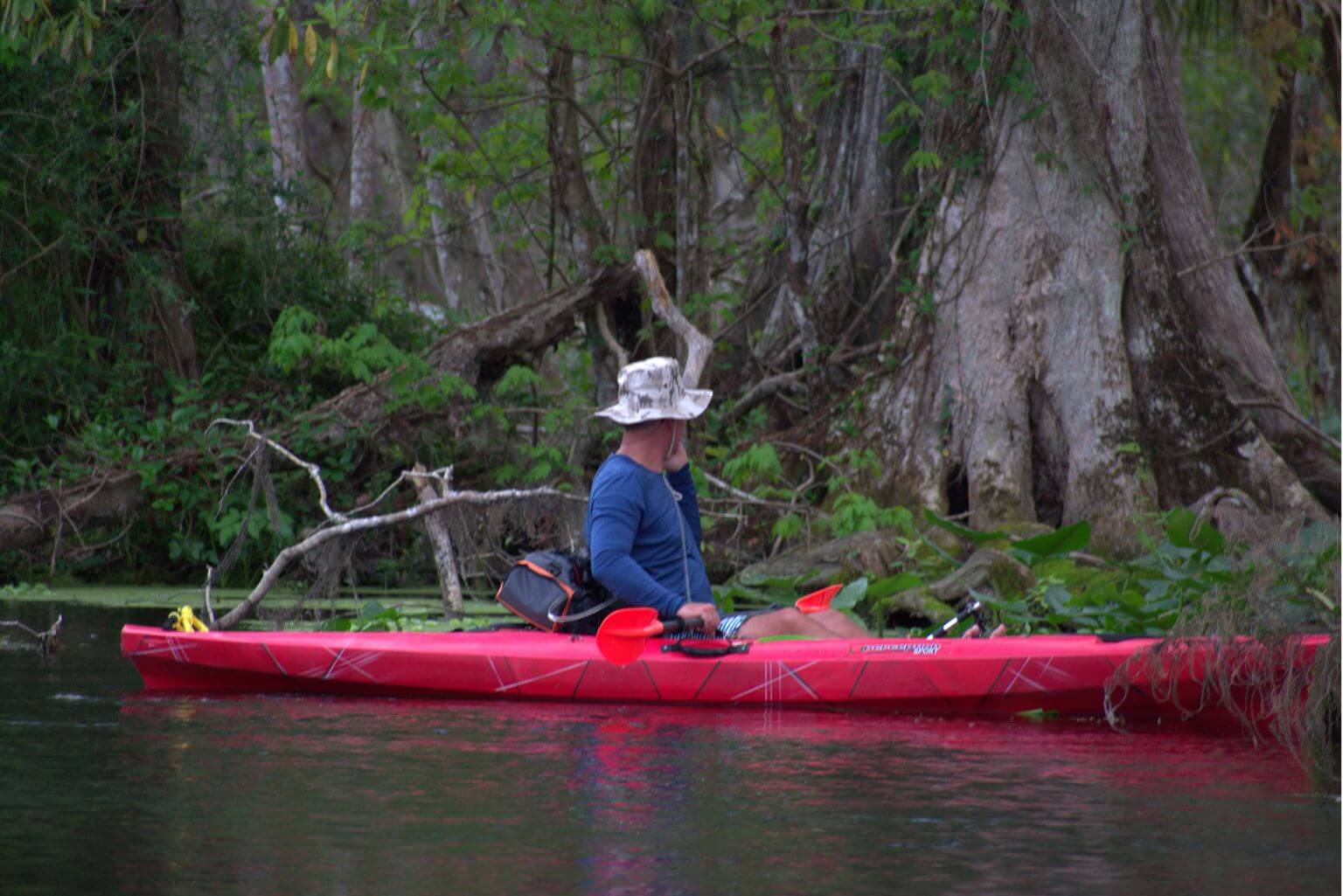
Kayaking and canoeing offer a quieter, more immersive way to experience parts of the Everglades, but they’re only practical in certain areas. Routes vary widely, from calm canals and rivers to mangrove-lined waterways closer to the coast, and conditions can change quickly depending on tides, wind, and distance.
Paddling here also means sharing the water with wildlife. Alligators are common in freshwater areas, American crocodiles inhabit brackish and coastal zones, and sharks can be present where saltwater moves inland. These animals are not seeking out kayakers, but they are part of the environment, which is why it’s important to avoid approaching wildlife, paddling at dawn or dusk, or entering narrow waterways with limited visibility.
For travelers who are comfortable on the water and enjoy slower, self-guided exploration, paddling can be a memorable way to experience the Everglades. For everyone else, it’s worth knowing that kayaking isn’t essential, as many of the same landscapes can be appreciated from boardwalks, scenic drives, or guided tours. Paddling works best when it fits both your comfort level and the specific area you’re visiting, rather than being treated as a must-do.
Guided Wet Walks and Slough Slogging
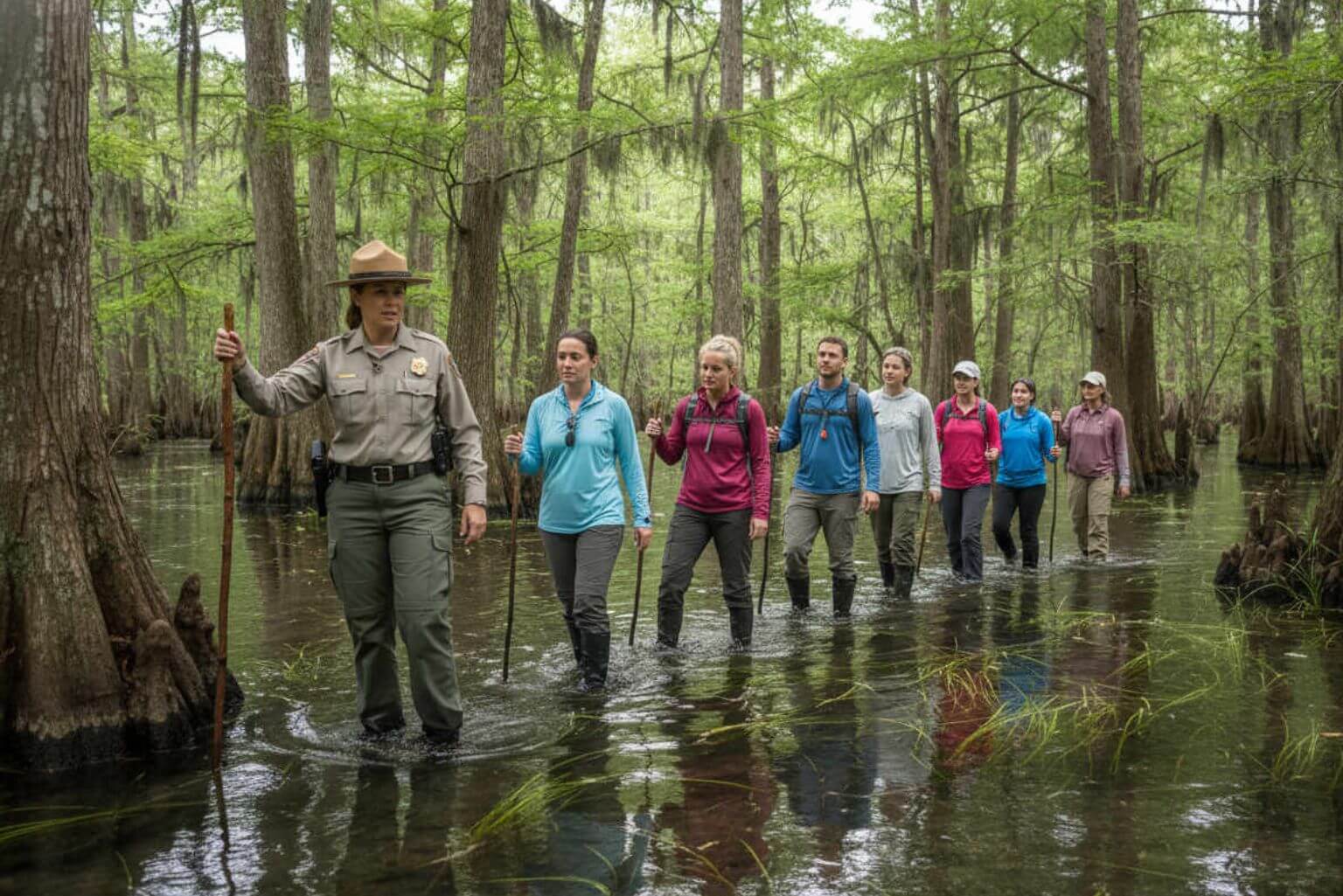
Guided wet walks, often called slough slogging, are one of the most immersive ways to experience the Everglades, but they’re very different from boardwalks or trails. These tours involve walking through shallow water and sawgrass with an experienced guide who understands the terrain, wildlife patterns, and seasonal conditions.
What often surprises people is the water itself. Much of the Everglades isn’t dark or murky. In many areas, it’s clear enough to see the bottom, fish moving past your legs, and plant life below the surface. Being in the water changes how the landscape feels and offers a closer look at parts of the Everglades that aren’t visible from roads or platforms.
This isn’t an experience everyone wants and by that I mean me, and that’s okay. Slough slogging requires comfort with wet conditions, following a guide closely, and accepting that the Everglades is a wild place, not a controlled recreation area. For visitors who prefer drier or more self-paced activities, it’s enough to know this option exists without feeling like they need to do it.
Visitor Centers and Ranger Programs
Visitor centers are worth stopping at in the Everglades, especially at the start of your visit. They provide helpful context for what you’re seeing, explain how water levels and seasons affect wildlife activity, and offer current information on conditions that can change quickly.
What sets many Everglades visitor centers apart is how accessible the rangers are. It’s common to find rangers stationed near boardwalks or trailheads, actively watching wildlife and genuinely excited to answer questions as visitors pass by. Some of the most informative conversations we’ve had in the Everglades have happened this way, without attending a formal program.
Ranger programs, when available, are an easy way to build on that experience without committing to a long tour or hike. Even a short talk or guided walk can add depth to what might otherwise feel like a simple boardwalk stop or scenic drive.
Slowing Down and Observing the Landscape
This may sound simple, but it’s often overlooked. Some of the best moments in the Everglades happen when you stop walking, turn off the engine, and give the landscape time to reveal itself.
Movement in the water, birds passing overhead, or a subtle rustle in the sawgrass often tells you far more than rushing from one stop to the next. When you pause, patterns start to emerge — where animals move, how the water flows, and how quickly the scene can change. Slowing down isn’t just about pace here; it’s one of the most effective ways to experience the Everglades.
Big Cypress National Preserve vs Everglades National Park
If you’re trying to decide where to spend your time, this is the most important distinction to understand. Big Cypress National Preserve and Everglades National Park are connected, but they offer very different experiences. Knowing that upfront makes choosing where to spend your time much easier.
Big Cypress National Preserve
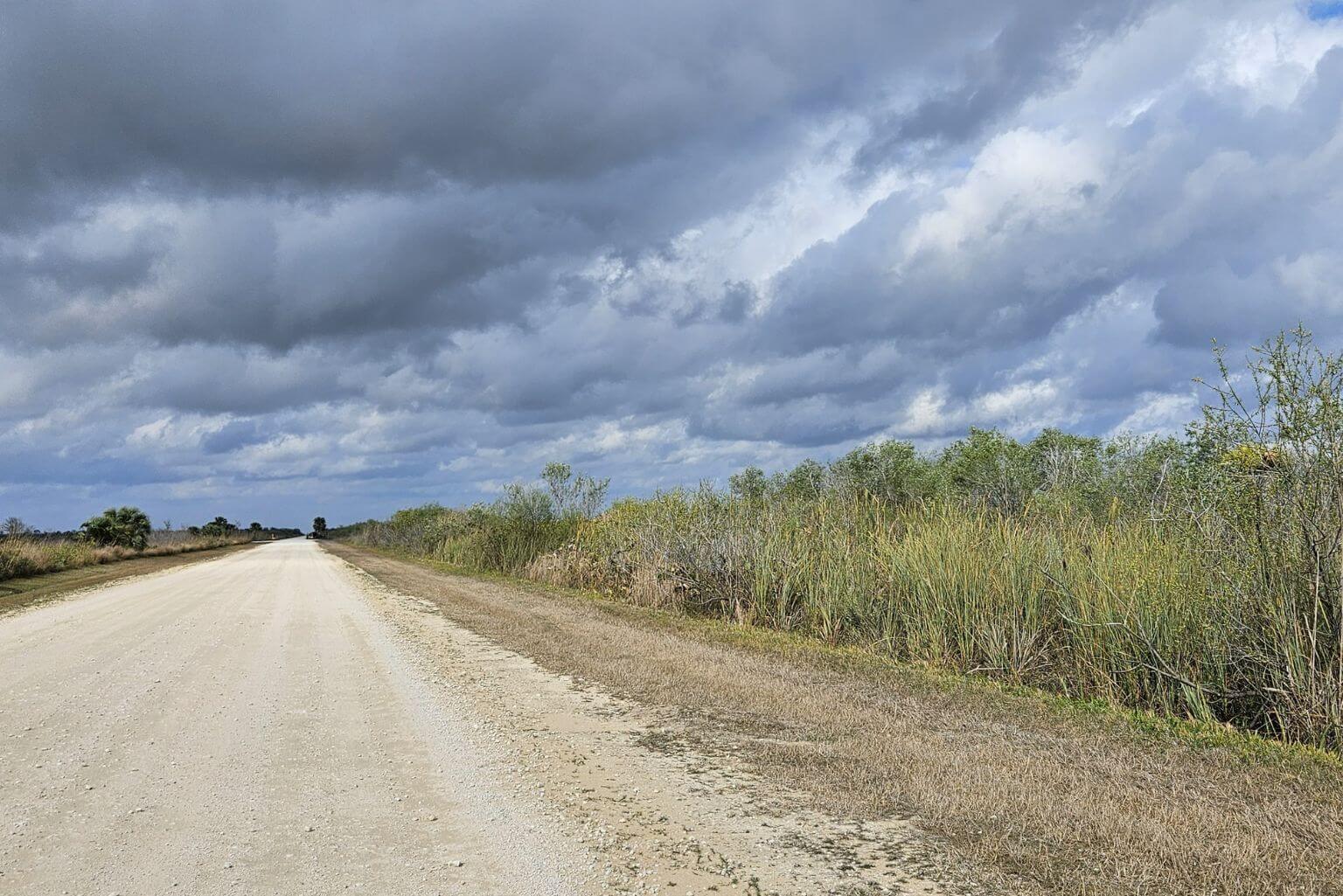
Big Cypress is free to explore and easy to work into a travel day. It’s a good introduction to the Everglades if you want flexibility, scenic drives, and frequent wildlife sightings without a lot of planning.
Here’s what Big Cypress does well:
- Scenic drives, including the Tamiami Trail
- Boardwalks and short trails
- Visitor centers with exhibits, maps, and rangers who share current conditions
- Wildlife viewing right from the road in many areas
Big Cypress also feels more open and less structured. You’ll find places to stop for food, roadside attractions, and cultural sites along the way, which makes it feel less isolated than other parts of the Everglades. If you’re interested in airboat rides or guided tours, many operate in and around Big Cypress and usually cost extra.
Overall, Big Cypress works well if you want to explore at your own pace, pop in for a few hours, or experience the Everglades as part of a longer drive across South Florida.
Everglades National Park
Everglades National Park is a more structured experience and requires an entrance fee or National Park pass. It’s not a quick stop and works best when you plan to spend several hours or most of the day in one area.
The park offers:
- Clearly defined scenic drives
- Boardwalks and short trails
- Ranger programs and visitor centers
- Opportunities for paddling and boat tours
- Camping and darker night skies
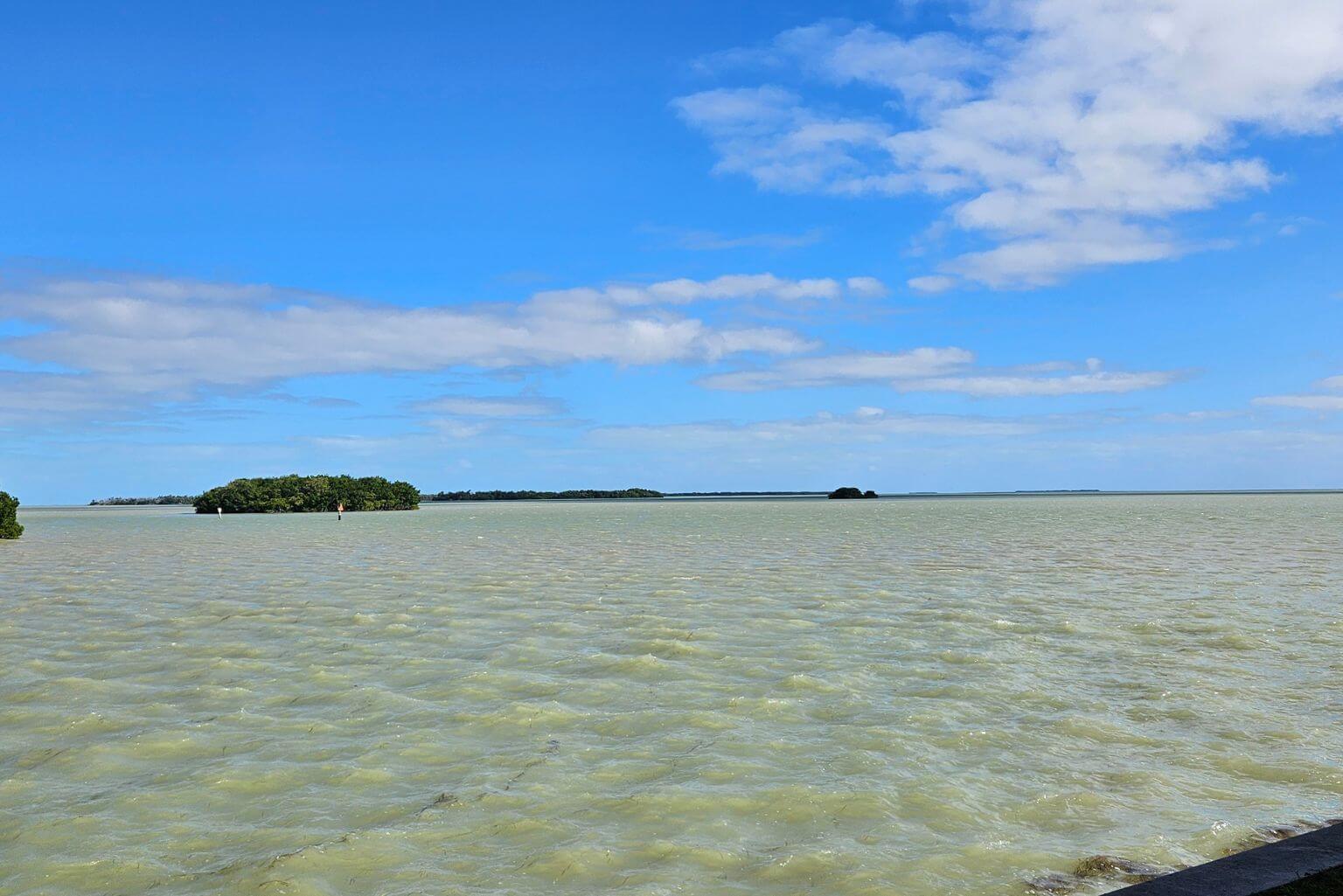
This part of the Everglades feels more remote and immersive, especially once you move away from the park entrances. Distances are long, and travel times add up, so trying to see everything in one visit usually leads to more driving than exploring.
Everglades National Park rewards slower travel and focused planning. Choosing one entrance area and giving it enough time leads to a much better experience than trying to cover too much ground.
Which One Makes Sense for You?
If you’re looking for flexibility, scenic drives, and an easy way to experience the Everglades without committing an entire day, Big Cypress is a great place to start.
If you want a deeper visit with more structure, and you’re willing to plan around park entrances and travel times, Everglades National Park is worth the effort.
Many travelers enjoy both, but they’re best experienced on separate days rather than rushed together.
Everglades National Park Entrances Explained
Everglades National Park doesn’t have a single central hub. Instead, it’s accessed through several separate areas, each offering a different experience. Because so much of the Everglades is water, the park isn’t connected by roads. Each entrance area is separate, and you can’t drive from one to another. For that reason, it’s best to choose one entrance per visit rather than trying to see everything at once.
Shark Valley
Shark Valley is one of the easiest places to experience the Everglades, especially for first-time visitors. It’s located directly along the Tamiami Trail, making it simple to access without venturing deep into the park.
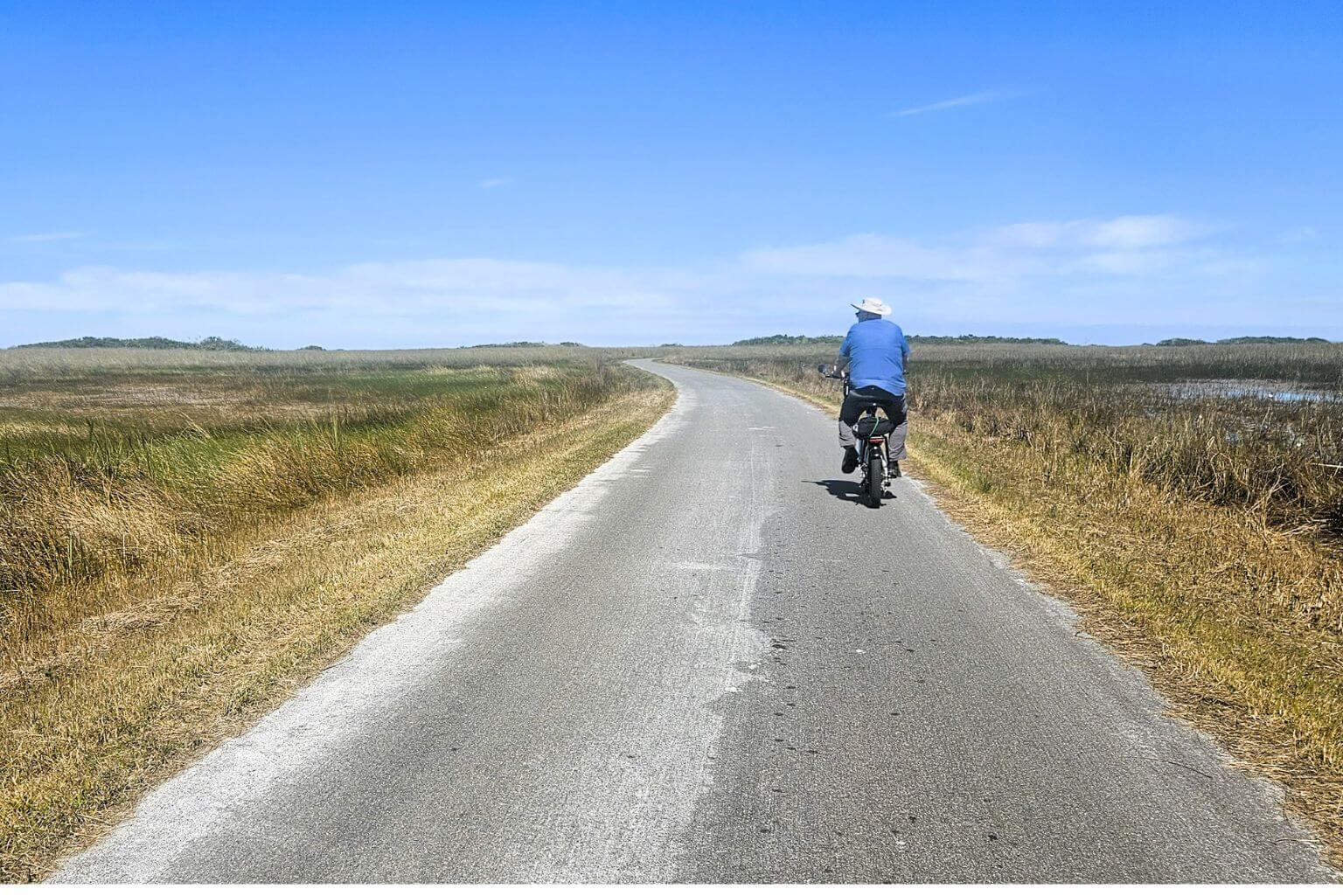
The paved loop here is 15 miles long, and visitors can explore it on foot, by bike, or by tram. The observation tower sits about 7 miles from the entrance and offers expansive views across the Everglades for those willing to make the trip. It’s worth it, but it’s a serious walk, especially in the heat.
The tram is a popular option, but it costs extra and is not included in the park entrance fee. The good news is that you don’t need to go far to see wildlife. Many visitors spot alligators and birds within the first mile or two of the loop by walking at their own pace along the canal.
One thing to keep in mind is timing. Shark Valley gets very busy on weekends and holidays, and the parking area is small. Early morning visits on weekdays are often a better option, with fewer crowds and easier parking.
Because it’s straightforward to visit and close to Miami, Shark Valley can feel busy during peak season. It’s a solid choice if you want reliable wildlife viewing without the hassle of complicated planning.

Homestead Entrance (Main Park Experience)
The Homestead entrance is what many people picture when they think of Everglades National Park. This is the largest and most immersive part of the park, and it works best when it’s the primary focus of your day.
From the entrance, the main park road stretches 38 miles to Flamingo, the park’s southernmost point. That distance surprises a lot of visitors, and it’s one of the reasons this area isn’t a quick stop. The drive is slow by design, with a low speed limit that’s strictly enforced. Rangers take speeding seriously, and it’s essential to plan your time accordingly.
Along the way, there are plenty of pull-outs, short trails, and boardwalks where you can stop, walk around, and look for wildlife. These breaks make the drive more enjoyable and are part of the experience rather than distractions from it.
Flamingo itself is well worth the effort. This is one of the best places in the park to see American crocodiles, along with birds and other wildlife drawn to the mix of freshwater and saltwater. If wildlife viewing is high on your list, it’s a strong reason to commit to the full drive.
Camping and lodging options near Flamingo also allow overnight stays and let you experience the park during quieter hours, when it feels very different from a daytime visit.
Everglades City Entrance (Boat Access Only)
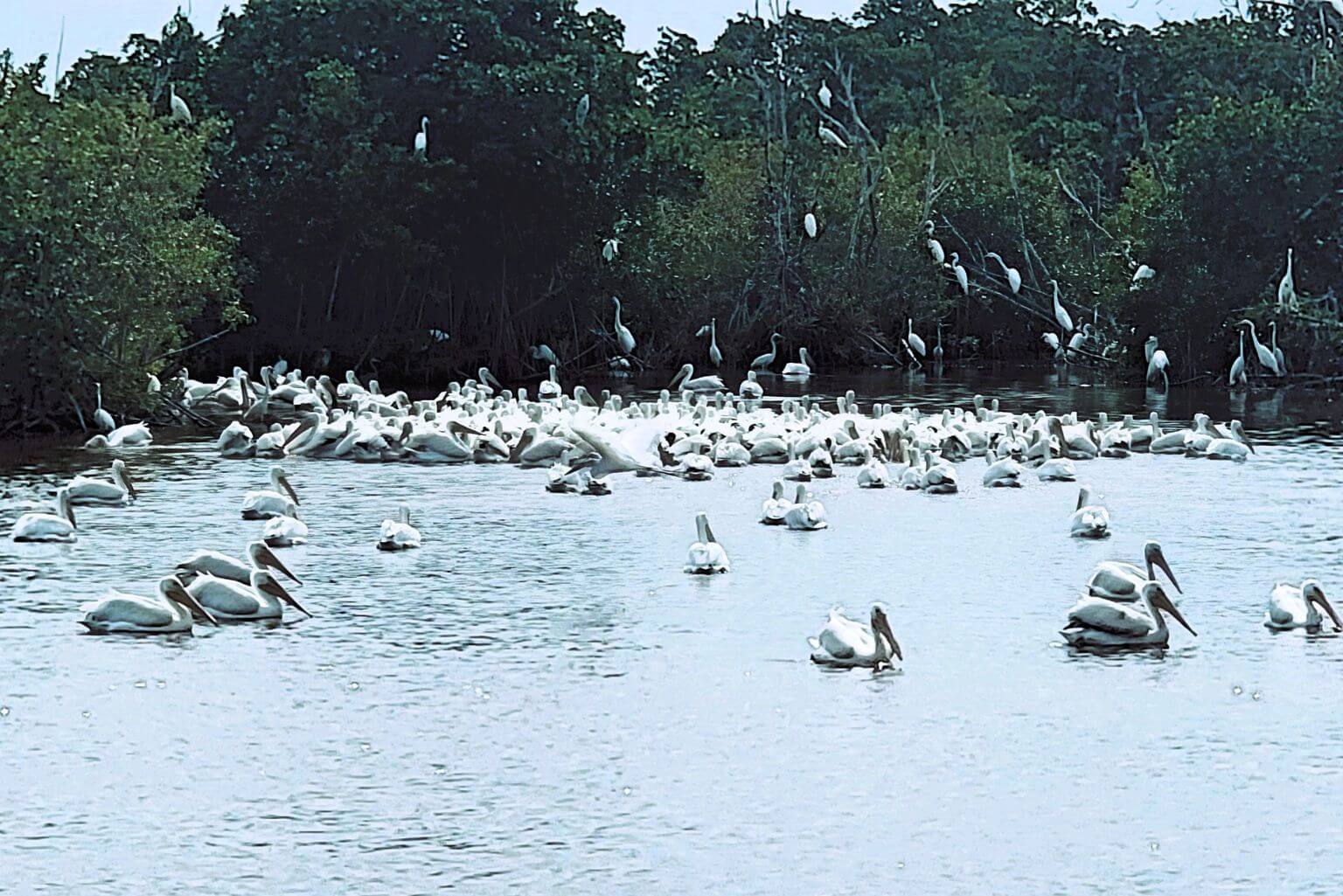
The Everglades City entrance, located along the western edge of the park, serves as the gateway to the Ten Thousand Islands. This area is primarily experienced by boat rather than on foot or by car.
Visitors usually explore this part of the park through guided boat tours that travel through mangrove tunnels and coastal waters. There are no scenic drives or boardwalk loops like you’ll find elsewhere in the park, but the perspective from the water is entirely different.
This entrance works best as a planned experience rather than a quick stop and pairs well with a visit to Everglades City itself.
What About
Biscayne National Park?
If you’re looking at a map of South Florida, you may notice Biscayne National Park nearby and wonder how it fits into an Everglades trip. It does connect to the broader landscape, but the experience here is very different.
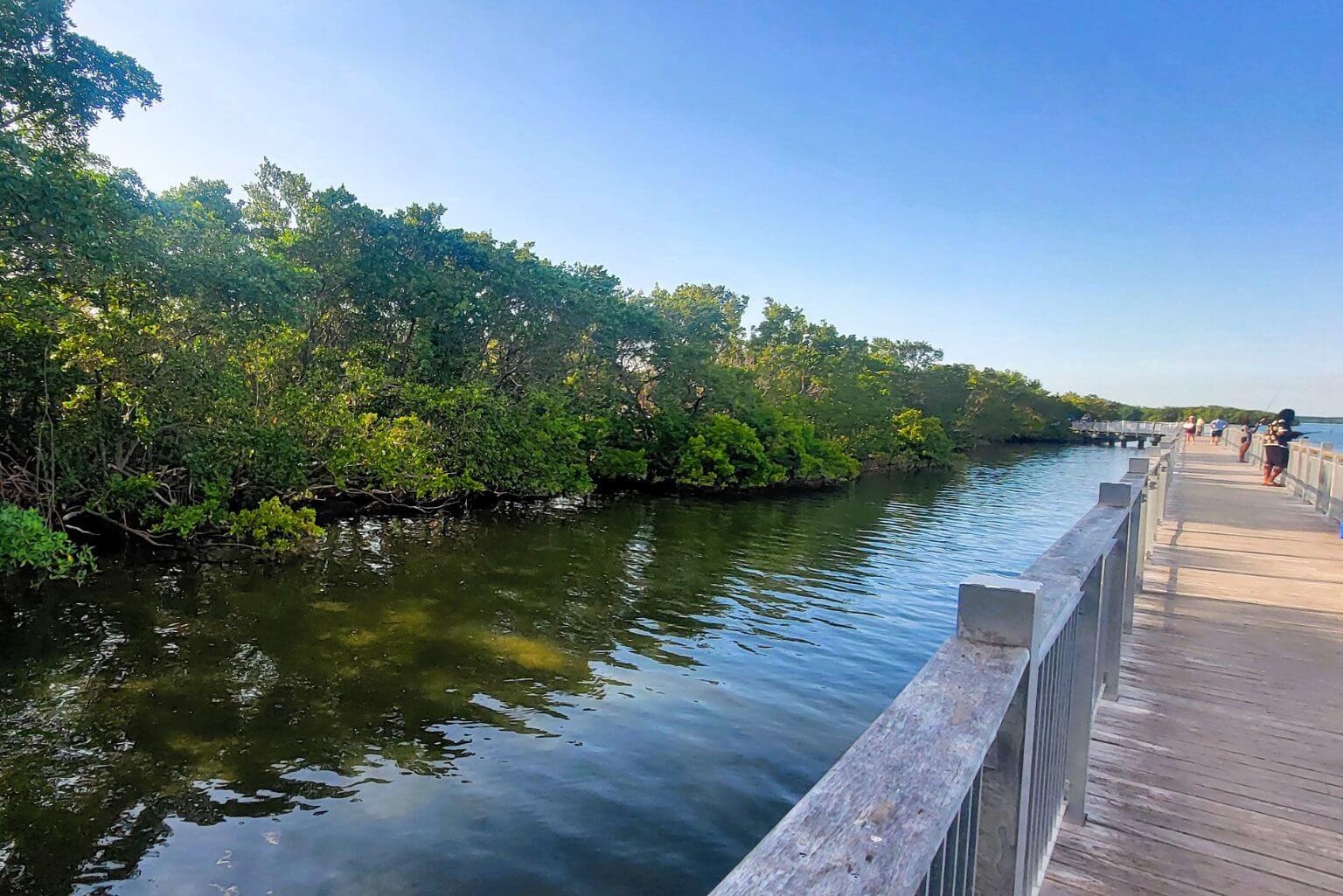
Biscayne National Park protects the coastal side of South Florida and is water-based mainly. The park is free to enter, featuring a visitor center and a gorgeous boardwalk that stretches out toward the bay. The open views allow a chance to spot wildlife right from shore. It’s also common to see large lizards moving through the area.
Visitors are welcome to bring their own kayaks or paddle boards, and many people explore Biscayne this way rather than by boat tour. Mangroves, shallow bays, and clear water define the experience far more than roads or trails.
What Biscayne doesn’t offer are scenic drives through the park or the kind of inland walking trails you’ll find in Big Cypress or Everglades National Park. For that reason, it often works best as a separate day or a separate trip, especially if your main goal is classic Everglades scenery, roadside wildlife viewing, and boardwalks through wetlands.
When Is the Best Time
to Visit the Everglades?
Timing matters in the Everglades more than in many other national parks. Weather, bugs, and water levels all shape what you’ll see and how comfortable you’ll be while exploring.
Dry Season: December Through April
For most travelers, this is the best time to visit.
- Cooler temperatures and lower humidity
- Fewer mosquitoes
- Easier walking and driving conditions
- Wildlife is often easier to spot
Winter is especially appealing if you’re visiting from colder parts of the country. Days are generally comfortable, and spending time outside feels manageable rather than exhausting.
Wet Season: May Through November
The experience changes noticeably during the warmer months.
- Hot, humid weather
- More mosquitoes and biting insects
- Frequent afternoon storms
- Higher water levels
Wildlife activity can increase during this time, and it’s common to see alligators and crocodiles sunning themselves along roads and canals. That said, the heat and humidity limit how much time most people want to spend outside.
Late summer and early fall also overlap with hurricane season. Weather can disrupt plans quickly, and some areas of Everglades National Park may close temporarily, especially during alligator nesting and mating season.
Bottom Line on Timing
If you have flexibility, winter offers the most comfortable and predictable visit. You’ll be able to spend more time outside, explore at a slower pace, and enjoy the Everglades without fighting the weather.
Summer visits can still be worthwhile, but they require more planning, shorter outings, and realistic expectations about heat, bugs, and storms.
Tips for Visiting the Everglades Without Overwhelm
The Everglades can feel either calm or exhausting, and the difference usually comes down to how you plan your day. A few simple choices make the experience far more enjoyable.
- Choose one main area per day.
Distances are long, and drive times add up quickly. Trying to cover Big Cypress, Shark Valley, and the Homestead entrance in a single day usually means more time in the car than on the ground. - Start earlier than you think you need to.
Mornings are cooler, quieter, and better for wildlife activity. By midday, heat and humidity can drain your energy fast, especially outside of winter. - Fuel up before entering Big Cypress.
There are no gas stations inside Big Cypress National Preserve. Plan to fill up on the Miami side, near Everglades City, or in Naples before you head in. - Plan ahead for food and water.
Food options are limited. There is a restaurant in Big Cypress that may or may not be open, and there are a few options near the park edges, but nothing consistent inside the preserve. Packing snacks, water, or a simple picnic makes the day much easier and lets you stop when you find a good spot. - Plan fewer stops than you normally would.
A scenic drive, a boardwalk walk, and some time observing wildlife can easily fill a satisfying day. Packing in too much often leads to rushing. Get out of the car, but don’t overdo it. Boardwalks and short trails offer some of the best experiences, but long hikes aren’t necessary. A few well-chosen stops go a long way. - Expect bugs and plan for them.
Mosquitoes are part of the Everglades year-round. Bring repellent, consider light long sleeves, and accept that bugs are part of the landscape. - Use visitor centers as your first stop.
Rangers share current conditions, wildlife activity, and what’s realistic for the day. This can save time and frustration. - Respect wildlife and closures.
If an area is closed due to wildlife activity or seasonal conditions, there’s a reason. Following posted guidance keeps both visitors and animals safer. - Slow down on purpose.
Some of the best moments happen when you pull over, turn off the engine, and wait. Wildlife often appears when things get quiet.
Is the Everglades a Casual Drive or a Dedicated Visit?
The Everglades can work either way, but knowing which experience you’re aiming for makes a big difference in how enjoyable your visit feels.
For a casual drive-through experience, Big Cypress National Preserve is the better choice. The Tamiami Trail runs straight through Big Cypress and works well as part of a travel day between Naples and Miami. Plan for roughly two hours of driving, not including stops. There are plenty of pull-offs, short boardwalks, and visitor centers where you can slow down, look for wildlife, and stretch your legs without feeling rushed.
For a dedicated visit, Everglades National Park requires more time and intention. Park entrances are not quick detours, and once you enter, distances are long. Whether you choose Shark Valley, the Homestead entrance, or Everglades City, plan on spending several hours or most of the day focusing on one area.
Neither approach is better than the other. They serve different travel styles. Big Cypress works well when the Everglades is part of the journey. Everglades National Park works best when it is the destination.
Good Stops
Along the Tamiami Trail
One advantage of driving the Tamiami Trail through Big Cypress is that it doesn’t feel remote or isolating. There are several easy stops where you can stretch your legs, learn a bit more about the area, and often see wildlife without going far out of your way.
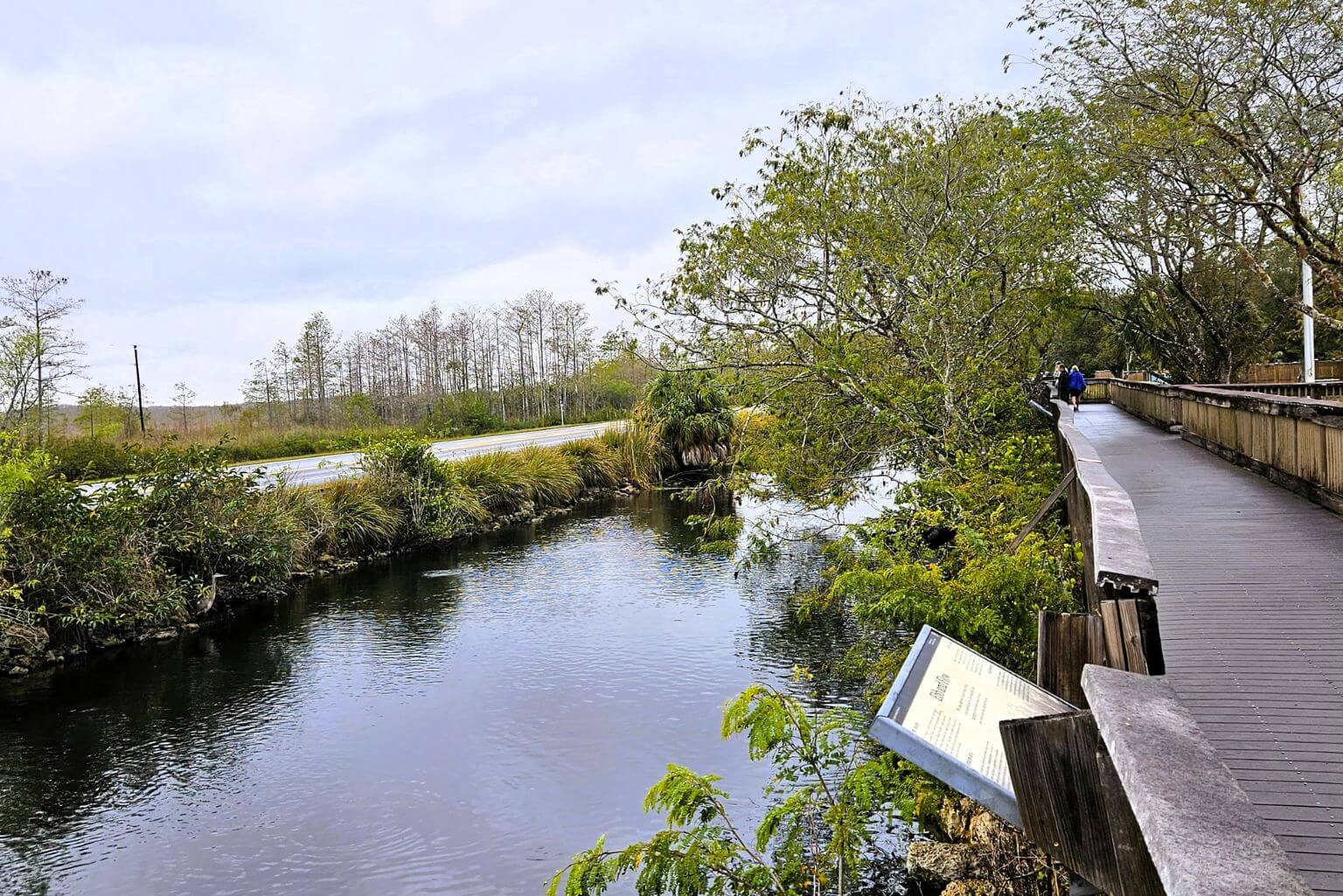
Big Cypress Oasis Visitor Center
This is one of the best stops along the Tamiami Trail and an easy place to recommend. The boardwalk behind the visitor center is a reliable spot to see alligators and birds, often with minimal effort.
Inside, the exhibits explain the landscape in a way that’s clear and approachable, and rangers are usually available to answer questions or point out what you’re seeing. It’s a quick stop that adds a lot of context to your drive.
Big Cypress Welcome Center
The Big Cypress Welcome Center is another worthwhile stop, especially if this is your first time in the area. It offers maps, exhibits, and a helpful orientation that make the rest of the drive more meaningful.
Wildlife sightings are common nearby, and rangers often have up-to-date information about conditions and recent activity. If you’re curious about manatees, this is a good place to ask what’s been spotted recently.
Miccosukee Casino & Resort
Located directly along the Tamiami Trail, the Miccosukee Casino & Resort is a convenient place to stop for food, restrooms, or a break from the heat. Even if gambling isn’t your thing, it’s a comfortable pause in the middle of a long stretch of road.
Miccosukee Indian Village
Just a short distance from the casino, the Miccosukee Indian Village offers cultural exhibits and demonstrations that provide helpful context about the people who have lived in this area for generations. It’s a good stop if you want to understand the land beyond what you see from the road.
Skunk Ape Headquarters
Skunk Ape Headquarters is one of those stops that’s easy to remember. Part roadside attraction and part local folklore, it leans into the mystery and humor of the Everglades.
It’s a quick stop, a little weird, and fully aware of what it is. Even if you’re skeptical, it’s a fun break from the drive and adds some personality to a long stretch of road.

Driving Loop Road in Big Cypress
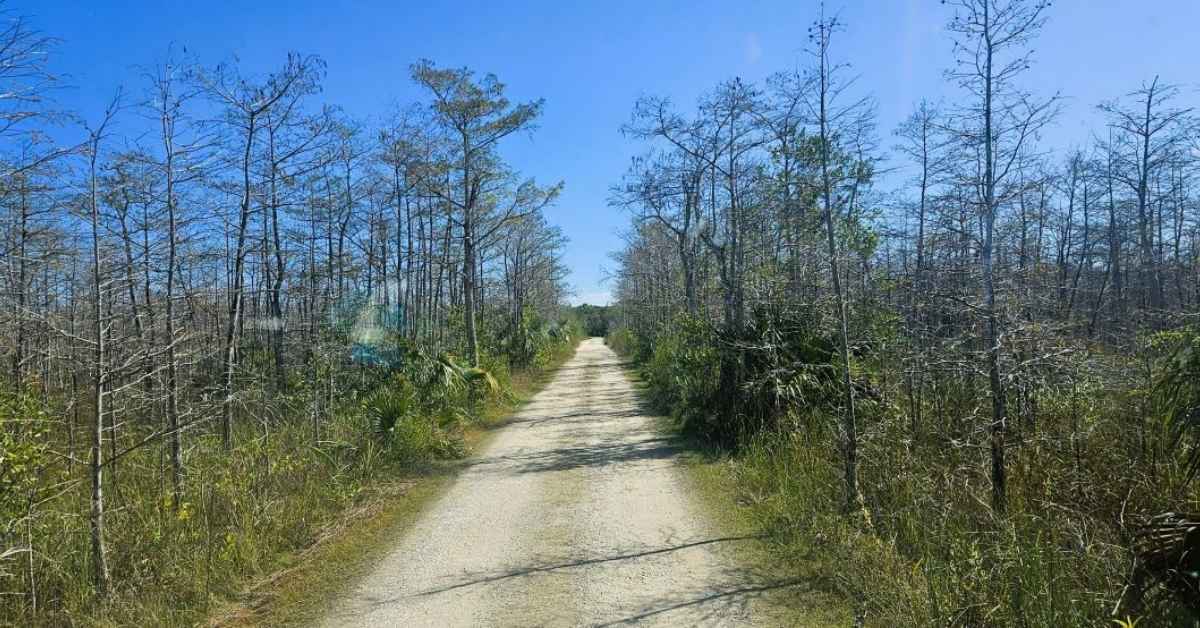
If you want a slower, quieter way to experience Big Cypress, Loop Road is worth your time. This roughly 24-mile route runs parallel to the Tamiami Trail and offers one of the most immersive drives in the area.
The first portion of Loop Road is paved, while the remainder is an unimproved dirt road. In normal, dry conditions, it’s passable for most vehicles, but this is not a road to rush. Speeds are slow, pull-offs are informal, and wildlife sightings are common.
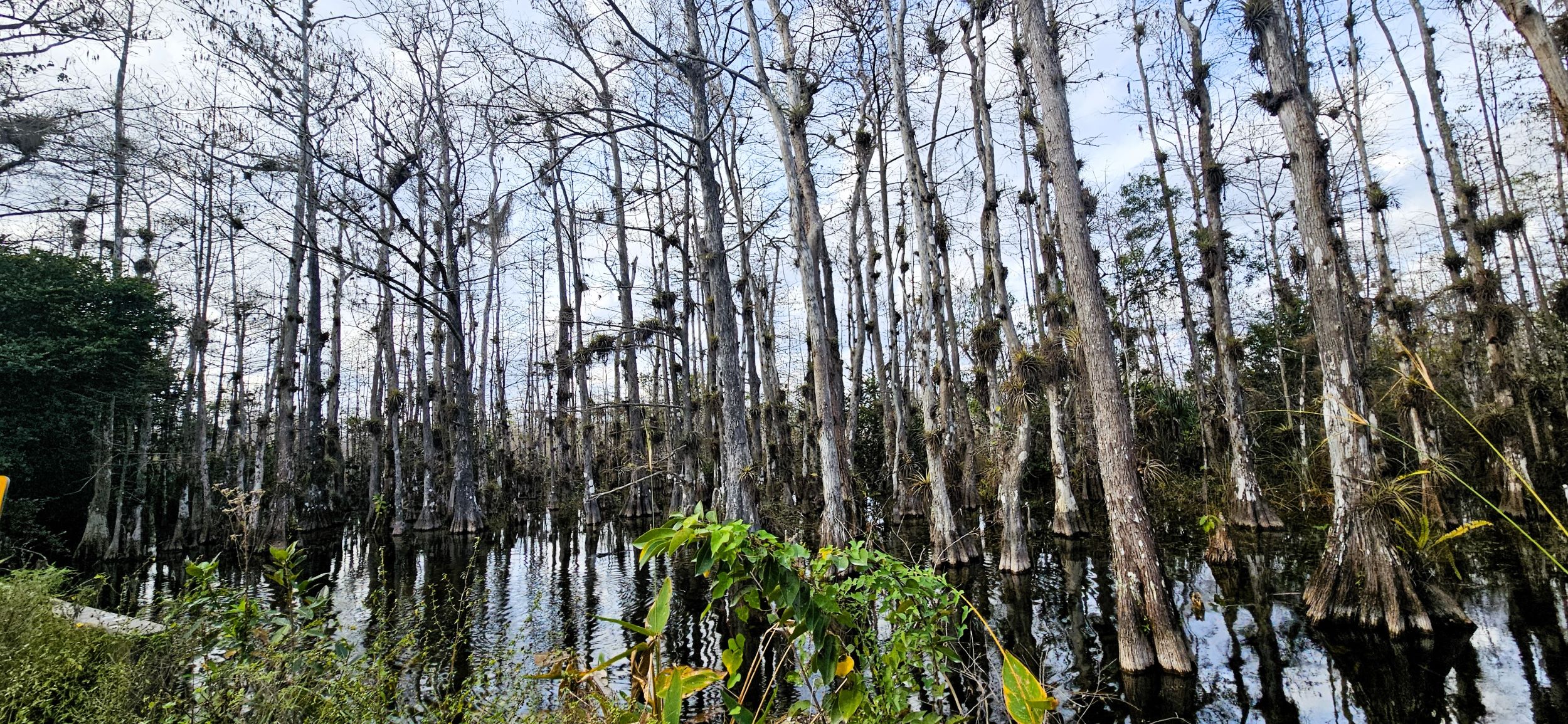
This drive feels noticeably different from the main highway. Cypress trees, standing water, and long stretches of quiet create a sense of distance from everything else. Alligators, birds, and other wildlife are often seen right along the roadside, especially if you take your time.
Cell service can be spotty, and there are no services along the route, so it’s best treated as a self-contained drive. Check weather conditions before heading out and avoid Loop Road after heavy rain, when sections can become muddy or difficult to navigate.
Loop Road isn’t about getting from one place to another. It’s about slowing down, paying attention, and letting the landscape unfold at its own pace.

Optional Offbeat Stop: Lucky’s Biker Speakeasy
If you enjoy unconventional backroad stops, Lucky’s Biker Speakeasy sits just off Loop Road and occasionally opens its gates to visitors. The atmosphere is informal and leans toward a biker-bar crowd, with locals, artists, and photographers passing through.
There’s no set schedule, and it’s very much a “right place, right time” stop. It’s not especially kid-friendly, and families should use discretion. If the gates are open, it can be an enjoyable and memorable break from the drive.
How to Plan
the Perfect Everglades Visit
The Everglades isn’t a place to rush through or try to cover in a single day. The best visits come from choosing one area, allowing enough time, and letting conditions guide the pace.
Focus on what you want most from the experience. That might be a scenic drive through Big Cypress, wildlife viewing at Shark Valley, paddling near Everglades City, or a full day exploring the Homestead entrance. Each area offers something different, and none of them are meant to be hurried.
Build extra time into your plans. Distances are long, the weather can change quickly, and wildlife activity doesn’t run on a schedule. Giving yourself flexibility makes the day feel calmer and far more rewarding.
You don’t need to see everything to appreciate the Everglades. Trying to do too much usually leads to more driving than exploring. Choosing fewer stops and spending more time at each one results in a better overall experience.
Approach the Everglades with patience and curiosity, and it has a way of revealing itself in small, unexpected moments. Those are often the ones that stay with you longest.
Where to Stay
When Visiting the Everglades
With so much ground to cover, where you stay can shape your entire experience. The Everglades isn’t a place where you move easily between areas, so choosing a base close to what you want to explore matters.
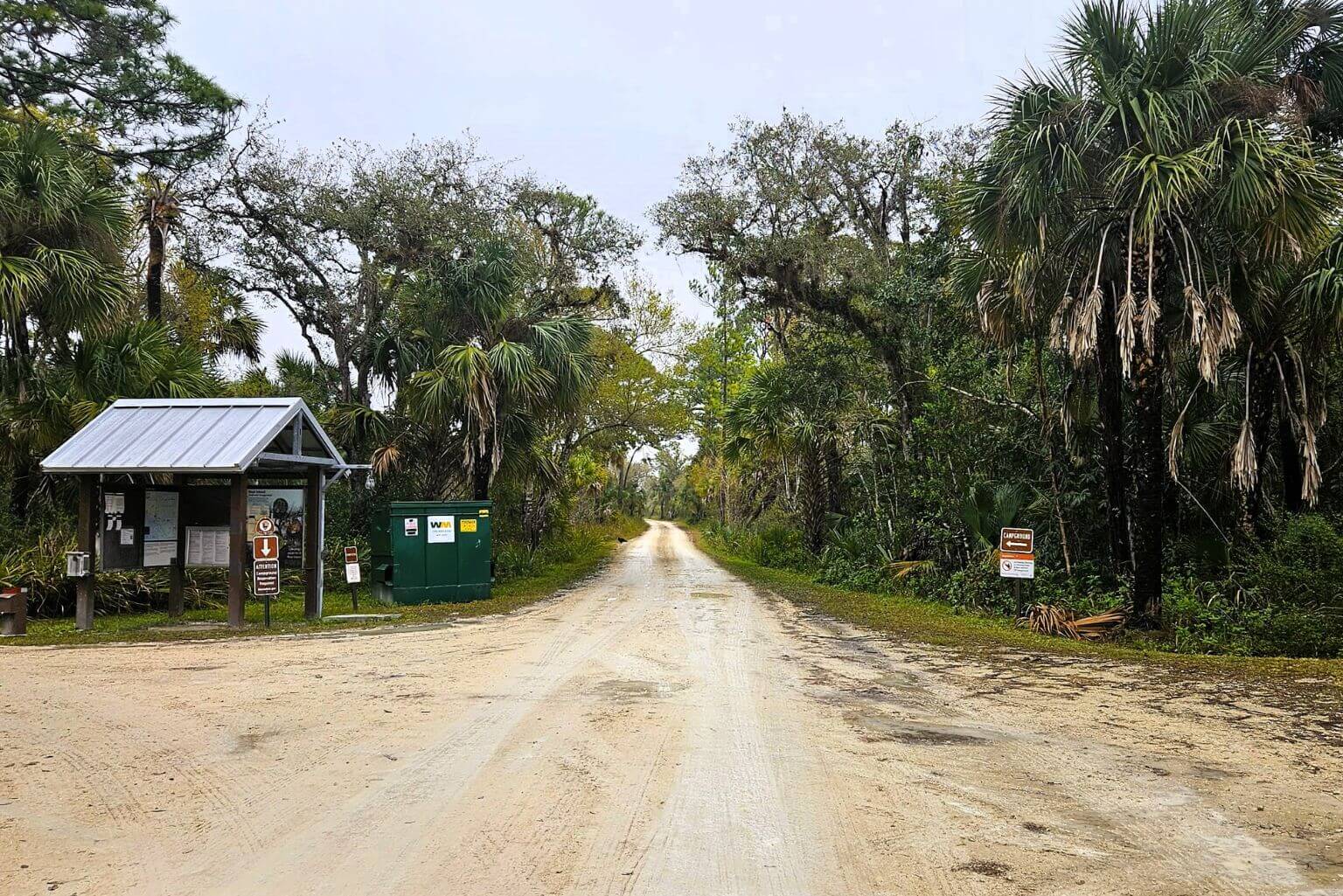
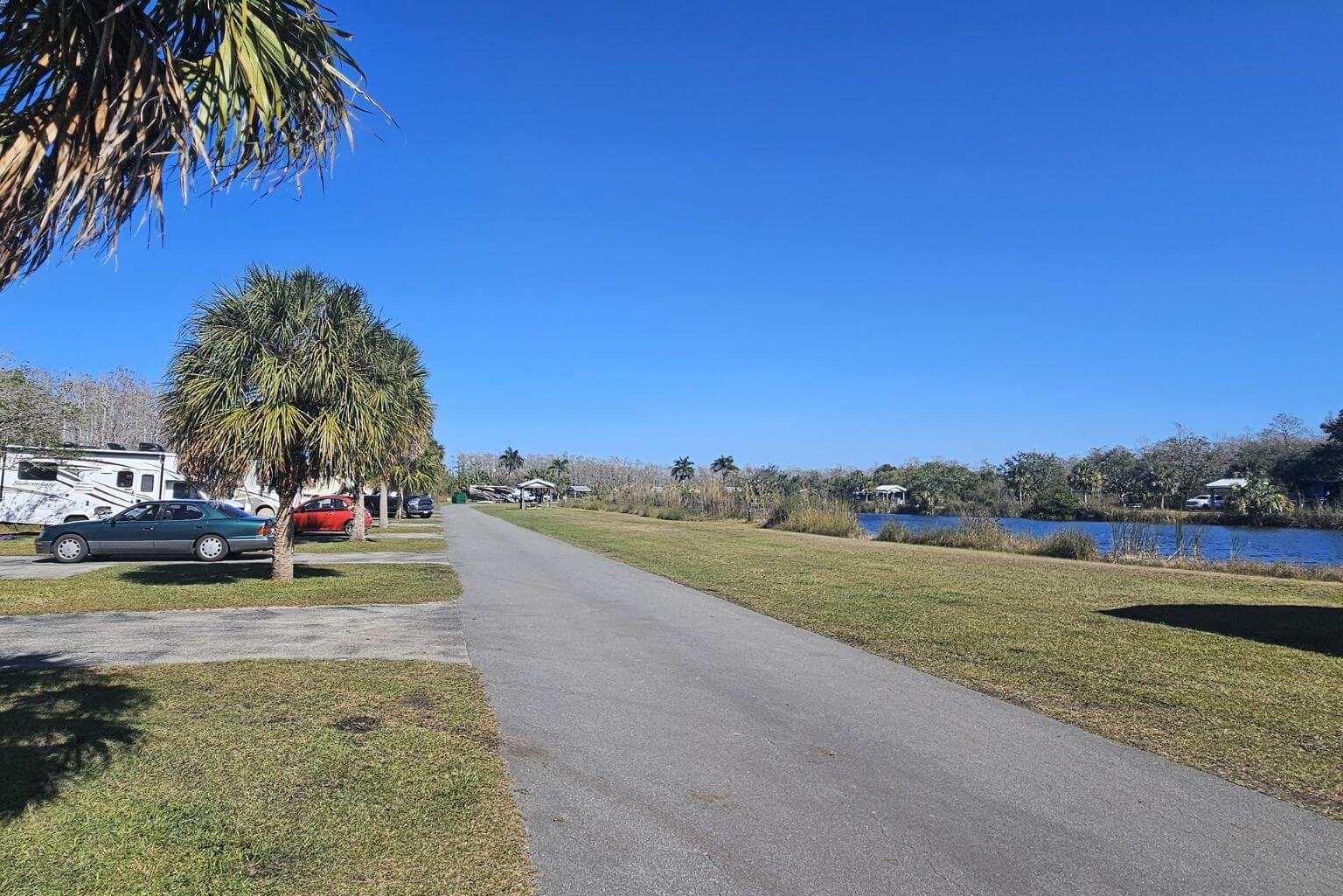
There are no traditional hotels along the Tamiami Trail, aside from the Miccosukee Casino & Resort. What you will find are several campgrounds, which work well if you’re traveling by RV or enjoy camping close to the landscape.
If Big Cypress National Preserve is your primary focus and you prefer hotels, the best bases are Naples or Everglades City. Both offer reasonable access to the Tamiami Trail, making it easier to explore Big Cypress without long daily drives.
For Everglades National Park, especially the Homestead entrance, staying in or near Homestead makes early starts and full days in the park much more manageable. Miami can also work, particularly for Shark Valley, but drive times add up quickly.
Many travelers find that spending one or two nights closer to the Everglades leads to a far better experience than trying to do everything from a distant base. Less time on the road usually means more time actually enjoying where you are.
Final Thoughts
The Everglades isn’t a place you rush through or try to cover all at once. It works best when you choose the area that fits your plans, allow enough time, and let conditions guide the day.
You don’t need to see everything to appreciate it. Trying to do too much usually leads to more driving than exploring. Focusing on fewer stops and spending more time at each one often leads to better memories — and a more rewarding visit overall.
Whether you’re taking a slow drive through Big Cypress, watching wildlife at Shark Valley, paddling near Everglades City, or spending a full day at the Homestead entrance, the Everglades has a way of revealing itself when you give it the time it deserves.
Travel With Us Each Week
We send a weekly travel newsletter that’s shaped by real-time on the road — destinations we’re exploring, experiences that surprised us, and resources we actually use while living the nomadic RV life. We’re travelers first, bloggers second, and the newsletter reflects that.
If you want thoughtful travel ideas without the fluff, you can join our weekly travel newsletter here. We’d love to have you!
Travel Safe and Adventure Often,
Maureen and Robb
Maureen Wright and Robb Strobridge
The Stromads

Entrepreneurs, Wanderlusters, Constant travelers, and Full-time RV Nomads since 2016. We are fueled by life, love, and the pursuit of all things good. Thanks for joining our journey and we hope to see you down the road!
PLAN YOUR NEXT ROAD TRIP IN ABOUT 60 MINUTES
Stop overplanning and start enjoying the drive.
This free Road Ready Starter Kit walks you through our simple system for building a flexible U.S. road trip itinerary in about an hour.
You’ll get trip planning pages, a quick budget planner, packing and safety checklists, and our proven method for adding one fun, memory-making stop to every travel day.
Free download. No spam.
Built from 20-plus years on the road.